Friendship Skills for Adults with ADHD and Autism: Tips from Caroline Maguire
Send Dr. Li a text here. Please leave your email address if you would like a reply, thanks. Discover the journey to authentic and fulfilling friendships as an adult—especially for those with ADHD and autism. In this episode, hosts Dr. Christine Li and ADHD coach Caroline Maguire explore the challenges and triumphs of making friends when you're neurodivergent or newly diagnosed. They discuss overcoming shame, letting go of unhealthy expectations, and embracing your true self, along with practi...

 Apple Podcasts
 Spotify
 Amazon Music
 Castro
 Castbox
 Podchaser
 Deezer
 Podcast Addict
 RSS Feed
 YouTube
 Send Dr. Li a text here. Please leave your email address if you would like a reply, thanks.
Discover the journey to authentic and fulfilling friendships as an adult—especially for those with ADHD and autism. In this episode, hosts Dr. Christine Li and ADHD coach Caroline Maguire explore the challenges and triumphs of making friends when you're neurodivergent or newly diagnosed. They discuss overcoming shame, letting go of unhealthy expectations, and embracing your true self, along with practical strategies for building meaningful connections at every stage of life. Whether you're seeking to grow your social circles or simply feel more comfortable in your own skin, this empowering conversation offers inspiration and actionable tips for finding and maintaining authentic relationships.
Caroline Maguire, M.Ed., ACCG, PCC is an internationally recognized expert in social-emotional learning, ADHD coaching, and relationship development. She is the author of the award-winning book, Why Will No One Play with Me? and FRIENDSHIP SKILLS FOR NEURODIVERGENT ADULTS (Balance Books, April 2026), and hosts The ADHD Social Playbook podcast. An educator, coach, and sought-after speaker, Caroline developed a comprehensive Social Emotional Learning (SEL) training methodology that equips parents, clinicians, and educators with practical tools to build self-awareness, emotional regulation, social understanding, and meaningful relationships. As a neurodivergent person with ADHD, dyslexia, and learning disabilities, she brings both professional expertise and lived experience to her work.
Timestamps
- 00:00:00 Dr. Christine Li introduces episode and guest Caroline Maguire
- 00:01:13 Caroline Maguire’s credentials and expertise highlighted
- 00:03:18 Start of interview, focus on books and friendship
- 00:04:29 Caroline Maguire’s coaching journey and identifying friendship struggles
- 00:06:15 Discussion on neurodivergence diagnoses in adulthood
- 00:07:35 Caroline Maguire shares her personal friendship challenges
- 00:09:53 Path to authenticity and shifting friendships over life stages
- 00:12:09 The impact of shame and fitting in, especially for women
- 00:14:39 On masking, adapting, and burnout
- 00:17:02 Mental health impacts of masking and people-pleasing
- 00:20:37 Importance of authenticity and not shrinking oneself
- 00:23:35 Defining and pursuing personal goals
- 00:25:14 Positive outcomes from self-acceptance and authenticity
- 00:28:15 Trends and new opportunities in making friends post-COVID
- 00:31:26 Recent low-stakes ways to connect (ex: mahjong)
- 00:32:34 Loss of “third place”; hopes for new community spaces
- 00:34:26 Caroline Maguire’s resources and book mentioned
- 00:36:27 Closing encouragement: change is always possible
- 00:37:08 Dr. Christine Li closes episode
To get the free download that accompanies this episode, go to: https://maketimeforsuccesspodcast.com/friendship
To sign up for the Waitlist for the Simply Productive Program, go to https://maketimeforsuccesspodcast.com/SP
For more information on the Make Time for Success podcast, visit: https://www.maketimeforsuccesspodcast.com
Gain Access to Dr. Christine Li’s Free Resource Library -- 12 downloadable tools and templates to help you bypass the impulse to procrastinate: https://procrastinationcoach.mykajabi.com/freelibrary
To work with Dr. Li on a weekly basis in her coaching and accountability program, register for The Success Lab here: https://www.procrastinationcoach.com/lab
Connect with Us!
Dr. Christine Li
- Website: https://www.procrastinationcoach.com
- Facebook Group: https://www.facebook.com/groups/procrastinationcoach
- Instagram: https://www.instagram.com/procrastinationcoach/
- TikTok: https://www.tiktok.com/@procrastinationcoach
- The Success Lab: https://maketimeforsuccesspodcast.com/lab
- Simply Productive: https://maketimeforsuccesspodcast.com/SP
Caroline Maguire
- Website: https://carolinemaguireauthor.com/
- Facebook: https://www.facebook.com/AuthorCarolineM
- Instagram: https://www.instagram.com/authorcarolinem/
- Twitter: https://twitter.com/AuthorCarolineM
- TikTok: https://www.tiktok.com/@authorcarolinem
- YouTube: https://www.youtube.com/@authorcarolinem
- Podcast: https://adhdsocialplaybook.podbean.com/
- LinkedIn: https://www.linkedin.com/in/authorcarolinecm/
Dr. Christine Li [00:00:00]:
Welcome back to the Make Time for Success podcast. This is episode number 296. Today's episode is all about friendship and the complexities of friendship, but also the real power in knowing how to be yourself in your friendships. I am joined today with expert Caroline Maguire, who is an ADHD coach.
Caroline Maguire [00:00:25]:
Hi.
Dr. Christine Li [00:00:26]:
And author of the brand new book, Friendship Skills for Neurodivergent Adults. We talk about the challenges of making friends when you are neurodivergent or newly diagnosed with ADHD or autism, but we also talk about the triumphs that come when you learn how to navigate friendship, when you learn how to be your authentic self in relationships. And when you come to a place of self-acceptance. We talk about letting go of shame, about figuring out what success means for you in friendship on your terms, and also learning how to find meaningful connections at every stage of life. Caroline is an internationally recognized expert in social-emotional learning. An ADHD coach and a relationship development expert. She is the author of not only the book I mentioned, but also her first book, Why Will No One Play with Me? She is the host of the ADHD Social Playbook podcast. She's an educator and sought-after speaker, and she developed a comprehensive social-emotional learning training methodology that equips parents, clinicians, and educators with practical tools to build self-awareness, emotional regulation, social understanding, and meaningful relationships.
Dr. Christine Li [00:01:56]:
As a neurodivergent person with ADHD, dyslexia, and learning disabilities herself, she brings both professional expertise and lived experience to her work. You're going to hear very quickly in this episode how passionate she is about the topic of helping people in the area of friendship and also what powers we all have to share with the world when we feel brave enough to do so. She's a real powerhouse. So let's go listen to this episode together now. Hi, I'm Dr. Christine Li, and I'm a psychologist and a procrastination coach. I've helped thousands of people move past procrastination and overwhelm so they could begin working to their potential. In this podcast, you're going to learn powerful strategies for getting your mind, body, and energy to work together so that you can focus on what's really important and accomplish the goals you want to achieve.
Dr. Christine Li [00:03:03]:
When you start living within your full power, you're going to see how being productive can be easy and how you can create success on demand. Welcome to the Make Time for Success podcast. Hello, my friends. Thank you so much for being here today. I am very lucky to be interviewing Caroline Maguire. She is a very special guest who was introduced to me by a very special friend and colleague, Tracy Otsuka, who runs the podcast ADHD for Smart Ass Women. Caroline herself is A published author, and I have her book here. She kindly shared it with me.
Dr. Christine Li [00:03:47]:
It's called Friendship Skills for Neurodivergent Adults. And I can't wait to dig into these topics of neurodivergence, women, friendship, and how do we make things just smoother and easier for ourselves in general. So thank you, Caroline, for helping me do that today. Welcome to the show.
Caroline Maguire [00:04:08]:
Thank you so much. I'm so happy to be here.
Dr. Christine Li [00:04:11]:
So happy to see you finally. Tracy's been talking about you for a long time to me. Could you tell, could you tell us a bit about yourself and, you know, the background of everything that came before the book and perhaps a little bit about the book as well?
Caroline Maguire [00:04:29]:
Yeah, absolutely. So I have been an ADHD coach for 21 years. And very early on in my coaching career, I was working for a very famous doctor, Dr. Ned Hallowell, and doing coaching with people of all ages and helping them with their different struggles. And I noticed that none of my clients had an easy time with relationships and friendships. And it was just something people didn't talk about 21 years ago. And this was, you know, pre-pandemic, pre-loneliness crisis worldwide. And so I went back and got a master's degree from Lesley University basically to learn how to teach people social-emotional learning, how to make friends.
Caroline Maguire [00:05:21]:
And so I've been very lucky. I, I do a lot of training. I do a lot of mentoring and I train different people to do what I do. And then I also work with individual clients, helping them to have stronger relationships, friendships, to find that authentic part of themselves and to, to shout it from the rooftops. I think we can all level up our communication skills. I think it's definitely something that we are all working on all the time. And, you know, I was really lucky in that I work with a population of Folks who are, you know, have ADHD, are autistic, are often very gifted and very high performing, but have this piece missing in their lives. And I, so I've been so happy to get to write about it.
Caroline Maguire [00:06:15]:
This is my second book, Friendship Skills for Neurodivergent Adults. My first book was for more of the younger population, Why Will No One Play with Me? And I work with a lot of newly diagnosed folks, and this is where our lives cross over because there's a lot of women in their 30s, 40s, 50s, 60s getting diagnosed with autism, with ADHD, and finding out about this piece of themselves and really finding that it's a new day and we can, you know, take that. new lens and find a different way of being and being more the self we always wanted to be. And a lot of these women have such immense talents, and part of my job is to help them uncover those talents.
Dr. Christine Li [00:07:02]:
I so appreciate you, your work, that description, and I'm immediately struck with how deep this goes for people, right? The issue of comfort, of acceptance, of how do I do this? The curiosity, the new diagnosis in the later years and having to just kind of rework your own understanding of yourself. So is there a personal link for you with this work?
Caroline Maguire [00:07:35]:
Yeah. I mean, I was definitely a kid who struggled with friendships, struggled with making friends. I have ADHD and a host of learning disabilities. I'm dyslexic. And, you know, that was part of why when folks didn't have friends, I had gone through my own journey and evolution where I had, you know, had a really tough time socially and then had sort of learned the skills and then still struggled, but had found my people. And so when I saw everyone else struggling, I was like, wait a minute. This is a thing for us. And I know this sounds crazy, but you have to put yourself back to 2005.
Caroline Maguire [00:08:16]:
There's so many things that we as a society just didn't talk about. And there's so many things that we didn't put a lens on and say, oh, this is true for a lot of people. So, you know, when I started talking about friendship and talking about this is a thing for neurodivergent folks, it was new. Like no one else had ever talked about it. It sounds crazy now. Like, why wouldn't they?
Dr. Christine Li [00:08:39]:
Yeah.
Caroline Maguire [00:08:39]:
And so I was later diagnosed. I was, I found out about my ADHD in my mid-20s. I knew about my learning disabilities and they do come in, but you know, I had had some help for those things. I had come to sort of that acceptance journey where you're like, yeah, I may never back a car up into a space, but that doesn't mean I'm not intelligent, you know?
Dr. Christine Li [00:09:00]:
Mm-hmm.
Caroline Maguire [00:09:01]:
And I think I understand when people are going through this journey of self-acceptance and kind of getting a new lens on things and also wanting their lives to go forward in a different way. And so that was also part of why I identified so much with this work was like, I've been in both sides of something and I've gone through a personal journey and I've gone through that personal transformation of I wanna be different or I wanna be the person I always wanted to be.
Dr. Christine Li [00:09:32]:
Yeah. So what factors do you think helped you the most in terms of heading straight towards your authentic self? You mentioned that you found your people. What enabled you to do that? What did you have to let go or bring in, or, you know, did you change your thinking? Did you change other things? What happened there?
Caroline Maguire [00:09:53]:
Yeah, that's a really good question. I think one of the things that happened for me was a real focus on my strengths and a real focus on the things I did well. a real realization of the skills that I needed. And I did get some help building some of those skills, although that work continued, I would say, you know, into my 20s, into my 30s. And I really think I started to, my mindset started to shift. You know, I started to realize that just because I would rather talk about Jane Austen and British films and things like that, other 6th graders didn't want to. And I started to sort of watch other people and figure out what they wanted to do and what they wanted to talk about. And I think then this became this journey of like, how do I be myself while also adapting to others? And it is a journey, right? And I think that we go through different phases in life and we build different skills and our people can even shift and change.
Caroline Maguire [00:10:58]:
I am not a person who thinks that you have to be with the same friendship group at 20 that you are with at 60. I think that we don't have to be dramatic about it, but I think that we, we shift and change and evolve. And so I would say this, my people have changed and evolved. And I think part of that has been my goal toward being more self-confident and being more the person that I wanted to be versus, you know, a person who was, you know, not as confident and, and was willing to take treatment that wasn't good for me.
Dr. Christine Li [00:11:32]:
Thank you for describing that. I do feel like our social circles change naturally and by forces we can't really control as we age, right? And our social circles can shrink also just naturally, as you mentioned in your book, through life circumstances. You're moving, you may be divorcing, people pass on, these kinds of things. And I think that's something that we don't really process in our 20s because we're so busy maybe trying to create that group, that solid group for us. A question that comes to mind is the factor of shame in terms of feeling like, well, I may not be the norm. I may not conform. I may not, I may not know how to conform, even if I wanted to. And those twinklings, inklings, those years of comments maybe, or just a sense like, ah, things just don't seem to fit so comfortably for me.
Dr. Christine Li [00:12:40]:
How do you work through those types of feelings?
Caroline Maguire [00:12:44]:
Part of life is, is figuring out what to hold onto and what to let go of. And You know, I think that there's a lot of shame and, and, and I'm gonna say for women especially heaped upon us. I think we were taught and conditioned to take everything in and to adapt to every comment and adapt to every piece of advice and sort of twix ourselves into pretzels. I always make the distinction, if you hurt someone, then apologize. If you're, you know, perspective taking is important. Think of others, right? And your impact on others. That to me is very different than I have to always be who everyone else wants me to be. And I think part of this shame cycle comes for us from this internal dilemma that is created because we've had this conditioning that was Be someone else, be whoever the group wants you to be, be whoever the environment wants you to be, be who your parents want you to be.
Caroline Maguire [00:13:52]:
And then also this realization that being that person may not serve me. It may not put me in good stead. That people pleasing means I can't rise up and be the professional woman that I wanna be. And I've had this evolution myself where to be the boss I need to be, to be a leader. I had to develop a thicker skin and I had to let go of some of the things that frankly my mother really pounded into me, you know, the things that she felt were really important, but that don't serve you if you wanna sort of be more, you know? And so I think then that's part of this. And then the other part. Goes to something called masking, which is that a lot of folks, and I think this happens for women especially, have been taught to hide or suppress their neurodivergent traits. And I think this can go for our leadership traits, our traits as a woman who is powerful, our traits as a woman who is, you know, able to do anything, right? And I think there's a difference between suppressing yourself.
Caroline Maguire [00:15:08]:
And adapting, right? And I think in different environments we adapt, but it's temporary and it's a choice. I'm choosing to let this go because it's just not worth it. Like, I don't care, right? Versus I'm allowing you to take my power from me. I'm allowing you to run me down and I'm allowing you to put me in a box where I don't belong. So I think all of this evolution is partly something that all women of certain generations are going through, and then neurodiversity just adds this extra layer. But I think the masking discussion that we as neurodiverse people are going through, where we're saying, I don't wanna mask, I don't wanna pretend, I don't wanna wear these different personas that aren't me. A lot of women are also going through that because I think That society, our parents, our families asked us to wear these different personas or different masks.
Dr. Christine Li [00:16:07]:
Yeah. What I've seen is that there's exhaustion.
Caroline Maguire [00:16:12]:
Yes.
Dr. Christine Li [00:16:12]:
There's, there's just exhaustion from having to do all the roles, having too little a voice or too quiet a voice or an underexpressed voice for things that are necessary, like nervous system regulation, like a reasonable plan of action instead of feeling like you're responsible for this person's feelings, that person's wellbeing, this person's clutter. All this stuff is piled on for the midlife woman. And I know, you know, too, can you give us a sense of what are the consequences maybe, or the Maybe negative health results if you stay in this heavily masked state?
Caroline Maguire [00:17:02]:
Absolutely. So I think you hit on it so beautifully. I mean, it leads to tremendous mental health impacts, which is depression, anxiety, absolute burnout and exhaustion. And I think that there's probably a lot of women listening to this who aren't neurodiverse, but can relate to You know, you said something brilliant, responsible for other people's wellbeing and responsible for how they feel. I think a lot of us as women were raised to feel responsible for how you feel, and that's something I've really let go of. And I'll be really transparent here. I wrote down doing stuff that in the same role men don't do. So 2-time authors who are men.
Caroline Maguire [00:17:49]:
who are very powerful in, in their, whatever their field is, that they're experts, aren't expected to do certain things. And I've had to say to many members of my family, I'm not doing that. Like, I'm not hosting Christmas and making all the food because I don't have time.
Dr. Christine Li [00:18:06]:
Mm-hmm.
Caroline Maguire [00:18:07]:
Right. And I don't enjoy it. I, I'm not a cook. And I think there's been sort of this, there is a mental health impact for all women. Who are trying to keep everything up. And that's part of masking is it develops into this kind of hypervigilance where you're trying to keep everything up, you know, play these roles and never have these, you know, if we adapt, we adapt for an hour. If you're masking, you might mask for an hour, but it might be all the time. And what ends up happening is you end up in burnout because keeping up that facade.
Caroline Maguire [00:18:42]:
Is really draining. And a lot of it is fear-based. And so your limbic system is just on all the time because you're afraid of letting go of that image. And I think it's like anything, it's a journey. It's not a quick fix. But I definitely think there's such an overlap that many of your listeners, even if they are not neurodivergent, can probably relate to those messages we were sent.
Dr. Christine Li [00:19:09]:
Yeah.
Caroline Maguire [00:19:09]:
And when you start to realize those messages have a tremendous mental health impact on you, and then that journey to figure out what are these messages, what are they doing to me, and what do I let go of? And, you know, how do I do that?
Dr. Christine Li [00:19:25]:
Yeah, I think that's where age can be a plus, right? Where, where you, you've been through a lot of things, you've been through a lot of cycles of things, you've been through perhaps some burnout. And dissatisfaction with where things have turned out. And then you want to have an open runway. I think that's true for everyone, that we want to see that the things that we see as our own authenticity, our own future, our own happiness, that we all want a kind of clear path towards that. And that's kind of something we're gifted with probably from the beginning. And we're taught out of it, and we're socialized out of it, and we're pressured out of it. And I think what I've seen is like people shrink themselves. They shrink their talents, they shrink their voice, they shrink their physical presence, and their genius too.
Dr. Christine Li [00:20:20]:
So I love how you're just like straight up, let's, let's go for the expanded person because we're all gonna benefit when that happens, when we're all living to our successful angles, we're all gonna benefit from that.
Caroline Maguire [00:20:37]:
Oh my God, I have so many thoughts about what you're saying. I love it so much. You know, one of the things I think about shrinking your voice, I know in my family, and I write about this in the book, there was a whole thing about bragging, not for men, but for women, and about saying things that are going really well or that you're doing really well at. And it was really other people in my life and, you know, friends of mine who are powerful men and who are so successful and who believe in me, who sort of said, why are you shrinking yourself? And why do you self-deprecate so much? I was like, that's easy. Family of origin. Like you were taught to do that, right? Like that's an easy answer, but it's not an easy fix. And so I talk about in the book, this journey that I've been on to not shrink myself. To allow myself to say, yeah, I'm really good at this.
Dr. Christine Li [00:21:31]:
Yeah.
Caroline Maguire [00:21:32]:
And I don't even think bragging is the right word. I think it's standing in your power and not shrinking that voice and not shrinking yourself. And, you know, I am a force of nature. I'm a gale force wind, right? That's also not for everyone. I try to adapt. I try to not have to be the only voice in the room. I try to say, oh, this is someone else's moment. And I tell stories like that in the book where.
Caroline Maguire [00:21:56]:
The day I got into the New York Times for the first time, one of my friends got an acting role that was huge. And we were all on this Zoom and I said, you know what? This is his moment. And this is a moment that's so important to him and everyone's rallying around him and I'm gonna stay silent about my thing. So I try to do that, but I definitely think like there are people for whom my force of natureness, they're not into it or they don't get why I'm constantly doing things. And I think you come to a certain point in your life where you say, that's okay, but I'm not going to shrink myself or pretend that I am not a force of nature. Because the fact is that whatever I set out to do, I do. Right? And I think that's the other thing you touched on that I just wanna touch on for women listening who might be struggling with this. Sometimes people try to put their goals on you.
Caroline Maguire [00:22:52]:
And I think that's a real realization that I've had in my midlife, which is like, I don't care about that goal and you are trying to impose it on me. My goal is to write books, to train people, to be out there, to tell as many people as possible that they can have friendship and to give them the tools. Some of these things that other people are trying to force upon me, I just don't care about. They're not even remotely on my radar. And I think part of, as we're like coming into our own self, is saying to ourselves, I don't even need to fight with them about this. I don't even need to feel things about this. They're trying to impose their goal on me and it's not my goal.
Dr. Christine Li [00:23:35]:
Yeah. What I'm hearing is clarity. Yes. That when you're able to say yes and no according to your own needs while listening openly to other people. You have the benefit of clarity, which is an amazing skill to possess, just let alone share with the universe. But that when you can rely on your own intuition and personality and what you know about yourself and your potential in a clear way, again, that's just going to lead you straight to whatever success you aim yourself towards. And if we're constantly with the noise, Of what other people are thinking, what they might be thinking, even if they're not saying anything directly towards us or putting their goals on us, we're just going to be running in circles. And that doesn't help anyone's productivity or mental health or sense of self, I would say.
Dr. Christine Li [00:24:30]:
So yeah, your clarity really shines through and your mission as well, which is terrific. Thank you for the work that you've done and for being able to just articulate this stuff. So clearly and powerfully. I know I asked about the negative effects of masking. I want to now go the other direction. What have you seen as the positive outcomes, benefits, explosions of power and success and talent in the people that you have worked with or have been associated with who have worked through these issues? Over time, of course, and have been able to really align with their authentic purpose and self.
Caroline Maguire [00:25:14]:
You know, I think first of all, there's different measures of success. You know, success is different for different people. And I think there's also different ways in feeling like this is my goal. And that clarity is part of that self-work that I think is so important. And that I feel like a lot of us want to skip, but it kind of is the thing you have to do. Because it brings that clarity. And what I've seen is people able to feel more comfortable in their own skin, to feel that purpose and that clarity, and to feel the shedding of what other people think of me matters so much, and what other people want for me matters so much, and more moving toward—
Dr. Christine Li [00:26:00]:
Mm-hmm.
Caroline Maguire [00:26:01]:
That real spark that everyone has, whatever it is inside you, in that thing that you want. And everyone has something different that you want. And being able to move toward that and being able to feel like this was what I should have been doing my whole life, but not to live in a grief cycle about it, right? And that's— One of the things I see a lot of midlife women struggling with is, I get it. It's so sad that you didn't find this stuff out earlier, but you have every day of the rest of your life to enjoy it. And moving away from the grief of what could have been had you known at 20. And it's a journey, but I think the thing that I've found is that the people who get stuck in the cycle of what could have been, what could have been, I could have known this for 30 years, 20 years. It robs you of today. And so I know it's so hard, but I would just encourage people that if you can move into, now I know, and now that I know, here's what I'm gonna do with every day, every minute.
Caroline Maguire [00:27:11]:
And that feeling of, I get to do this and I'm so clear on it.
Dr. Christine Li [00:27:18]:
Beautiful. Absolutely. I think this is such an important journey to Like you said, in 2005, people were not talking like this. And the fact that there are resources, coaches, programs, books, podcasts where you can really get a sense of what you otherwise might've felt was inaccessible or impossible for you to access. I'm wondering You know, we're post-COVID years, which shrank everybody's social capacity too much, I would say. What have you noticed in terms of recent trends or opportunities for people to make friends in a new way, or perhaps in an easier way, in a way that is authentic to the person? Are there things that you're noticing more recently?
Caroline Maguire [00:28:15]:
I think we are all coming to terms with there's sometimes a reason and a season for a friendship, and you have different friends for different purposes. And I think folks are struggling with this, but I think that there is this realization that, you know, obviously I know ghosting is real. Obviously I know some people break up and don't give a reason, and I am not for that. If you wanna stop being someone's friend, Have a conversation. But I also think there's this friendship drift that everyone is talking about and this thing that's happening. And I see it as more about there are different ways and different seasons of our lives. And sometimes the people who you were on the playground with when your kids were toddlers, you still care about them, but you're not with them as much anymore. And so I, Understand people's grief.
Caroline Maguire [00:29:11]:
I understand that people's friendship circles have shrunk or they're different, and a lot of people don't love that. Or we're like, our parents didn't go through this. Why are we going through this? There's ways to meet people around your interests, around your passions that are unique to the times we're living in. And can be really, really positive. And in the book, I talk a lot about how to use those passions and use those interests to join activities, whether virtual or in person, depending where you live. You know, you might live in a small town and that just doesn't exist there, to meet friends that are passionate and share an interest of yours. And I think that that's You know, I think it's a great opportunity. I mean, I have clients who have found friends around like birdwatching photography and some really niche things that they've just never had that person their whole lives.
Caroline Maguire [00:30:13]:
And now because of the internet and because of the ability to sort of travel and seek things out, they have found those people. So I think it's a great thing. In a way, even though it's a big change as a society that we're not necessarily going to have, you know, the friend we had from high school stay with us at the level of closeness they were like in past generations.
Dr. Christine Li [00:30:40]:
Yes. But it is still possible. It is still possible though.
Caroline Maguire [00:30:43]:
It's possible and it's all what you want.
Dr. Christine Li [00:30:47]:
Yeah. Yeah, absolutely. You're making me think I just Learned American mahjong last week. And through that, I was able to meet a very lovely woman who was sitting across from me for 3 hours. And it was just a lovely experience to have a low stakes, but kind of arranged through other friends situation to meet a new potential friend. And she was lovely and I had a great time. And I'm just wondering if you've— Seen this recently, new trends of easy ways to just kind of be able to meet new people?
Caroline Maguire [00:31:26]:
I love, love, love the mahjong trend. I haven't gotten into it as much, but I, I do actually own mahjong now and I love it and I see it a lot. And the other one is pickleball. So pickleball has become this great way that people are meeting people that has transformed some people's social lives. Here in the Boston area, there are even pickleball clubs that are around, like all musicians playing pickleball and, you know, finding each other across things and having these real experiences. And, you know, one of the things you mentioned about COVID I think, is the third place, which is that we still haven't recovered what past generations had, which was this third place, which was this place where, you know, we all see each other, we all encounter each other. We know that the person's gonna be there every Thursday or every morning. And I think that's partly what I'm hoping these trends like mahjong and pickleball will bring back for people or will cause people to say, I'm happier when I play mahjong.
Caroline Maguire [00:32:34]:
And you know what else is missing in my life? This third place. And, and that will, will start to re— Ignite those things because I think that they are important and they're part of what I think you're describing we're sort of missing.
Dr. Christine Li [00:32:48]:
Yeah, we're missing them and we're missing the people and we're missing the opportunities that other people bring to us too, right? When you're, when you're lacking in that, you're lacking in just new perspectives and new things to go to and see and do and getting fit and things like that. So, I mean, American Mahjong just blew my mind, so. I'm glad I was exposed to it, but also to the other people, which was lovely. So thank you, thank you, thank you for being the woman that you are, being the leader that you are, being the healer that you are, and for coming on the show to really just say it again, to say like, these things are important. We need to be talking about them. People need to be finding resources as they can. to heal the wounded parts of themselves, the parts that can be taken, taken through to a new zone of, of healing, of wellness, of authenticity, and of getting the life that you really want to live. So I appreciate you so much and, and I'm grateful for you.
Caroline Maguire [00:33:51]:
Oh, thank you so much. I, every day I get to get up and help people make friends. I mean, my life is, is so incredible and I'm so lucky. To have had this journey. And I just love doing what I do. I mean, I, I'm in that like, you never work a day in your life because you, you are doing something that you love category. And I'm super grateful for it because I get to help people make friends.
Dr. Christine Li [00:34:14]:
Yeah. A gift to all of us. So thank you. Could you let us know how you work with people? And also, I know you have a free gift to offer our audience as well, and we can talk about that as well. Yeah.
Caroline Maguire [00:34:26]:
So the free gift is about demystifying finding friendships, and it's about some of that self-work we talked about. To find your people, we have to sort of look at what do I want? And I personally think that that's fun, that it's, it's sometimes the work people have never been able to do. And so that, you know, I love the ability to share, you know, how do you find your people? And part of it is looking at what Makes friendship fun for you? What do you want out of friendship? And then anyone can find me at Author Caroline M. I do a lot of videos on Instagram and I do a lot of videos on YouTube through my YouTube channel of the same name. I work with very few clients nowadays, but I have trained a lot of coaches who work. So if you're looking for someone, reach out to me and I'll put you in touch with with someone else if I'm not available. And I love introducing this topic to new people. If you are neurodivergent and you are looking to make friends, the book is Friendship Skills for Neurodivergent Adults.
Caroline Maguire [00:35:36]:
And there's, there's a lot in there about sort of that journey, you know, and some of the things we've talked about today.
Dr. Christine Li [00:35:43]:
It's a beautiful book. It's kind of written for the neurodivergent brain, I think, because there, there are different things to look at. as you're reading through the text. So it's not like this onerous experience. And Caroline writes really beautifully as well. So that helps also. So thank you for sharing the book and mentioning it. I'm going to give our listeners the link to the freebie about demystifying how to find friends.
Dr. Christine Li [00:36:09]:
And that is maketimeforsuccesspodcast.com/friendship. Again, it's maketimeforsuccesspodcast.com/friendship. All right, Caroline, I think that is it. Any last words before we sign off?
Caroline Maguire [00:36:27]:
No, I just think, you know, it's a journey and I hope that people will be kind to themselves. And also, it's never too late. It really isn't. You know, we all have so much to give and We deserve to have the, the life that we curate and create versus, you know, maybe the one that, that we've been living. Change is totally possible at any age.
Dr. Christine Li [00:36:55]:
I love it. Let's go for it. So thank you, Caroline. Be well. And everyone here, thank you so much for being here with me and Caroline. I will see you next week on the Make Time for Success podcast. Take care. Be well.
Dr. Christine Li [00:37:08]:
Thank you for listening to this episode of the Make Time for Thank you so much for listening to the Make Time for Success Podcast. If you enjoyed what you've heard, you can subscribe to make sure you get notified of upcoming episodes. You can also visit our website, maketimeforsuccesspodcast.com, for past episodes, show notes, and all the resources we mention on the show. Feel free to connect with me over on Instagram too. You can find me there under the name Procrastination Coach. Send me a DM. And let me know what your thoughts are about the episodes you've been listening to. And let me know any topics that you might like me to talk about on the show.
Dr. Christine Li [00:37:45]:
I'd love to hear all about how you're making time for success. Talk to you soon.
Coach/Author/Speaker
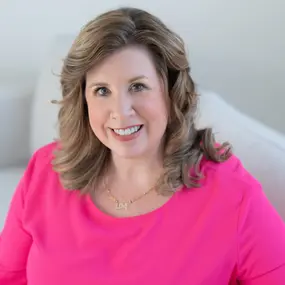
Caroline Maguire, M.Ed., ACCG, PCC is an internationally recognized expert in social-emotional learning, ADHD coaching, and relationship development. She is the author of the award-winning book, Why Will No One Play with Me? and FRIENDSHIP SKILLS FOR NEURODIVERGENT ADULTS (Balance Books, April 2026), and hosts The ADHD Social Playbook podcast. An educator, coach, and sought-after speaker, Caroline developed a comprehensive Social Emotional Learning (SEL) training methodology that equips parents, clinicians, and educators with practical tools to build self-awareness, emotional regulation, social understanding, and meaningful relationships. As a neurodivergent person with ADHD, dyslexia, and learning disabilities, she brings both professional expertise and lived experience to her work.
Maguire is a graduate of Trinity College and holds a Masters in Education and early childhood development from Lesley University. She is also a graduate of the ADD Coach Academy (ADDCA) and the founder and director of ADDCA’s Fundamentals of ADHD Coaching for Families, the only family-focused coach training program accredited by the International Coach Federation (ICF). A featured TEDx speaker and a keynote presenter at the International Conference on ADHD, her work has been covered in U.S. News & World Report, MindBodyGreen, Salon, Huffington Post, TODAY Parenting, ADDitude, Attention Magazine, and WebMD. She lives outside of Boston.